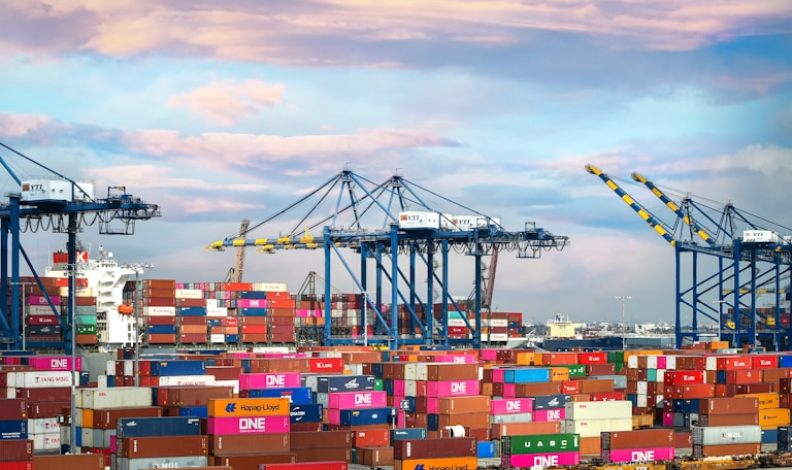
Starting an import-export business can be a profitable and exciting venture, allowing you to trade products across borders and connect with global markets. But while the opportunity is vast, the complexity of international trade requires careful planning, regulatory compliance, and strategic execution. Whether you’re importing consumer electronics or exporting organic food, here are five essential things you need to set up your import-export business successfully.
1. A Clear Business Plan and Niche
Before diving into logistics and customs, you must first establish a solid business plan. Your plan should outline your goals, market strategy, financial projections, supply chain structure, and potential risks. Just like any other business, the import-export industry requires direction and focus.
Choose the Right Products and Market
One of the most critical parts of your plan is selecting the right niche. You need to understand what products are in demand in the countries you’re targeting. Are you exporting specialty coffee from Colombia to Europe? Or importing industrial tools from Germany to Southeast Asia? Use market research tools, trade data, and trend analysis to make informed choices.
Identify Your Unique Value Proposition
What makes your business different from others? Whether it’s competitive pricing, exclusive supplier relationships, or localised customer support, your value proposition must be clearly defined to stand out in international markets.
2. Legal Structure and Licenses
Once your plan is set, the next step is to formalise your business legally. This includes registering your company, applying for licenses, and ensuring compliance with local and international trade regulations.
Register Your Business
Choose a suitable business structure such as a sole proprietorship, LLC, or corporation, depending on your needs. Register your company with the relevant government authorities and obtain a business tax ID.
Import-Export Licenses and Permits
Different countries have different licensing requirements for international trade. In the U.S., for example, you’ll need to register with the U.S. Customs and Border Protection (CBP) and possibly obtain an Importer Number. You may also need export licenses for specific controlled products (e.g., pharmaceuticals, electronics, or food).
Comply with International Regulations
Familiarise yourself with laws such as Incoterms, the Harmonized Tariff Schedule, and country-specific trade agreements. Understanding these will help you avoid legal trouble and delays at customs.
3. Reliable Suppliers and Buyers
Establishing trustworthy relationships with suppliers and buyers is the backbone of any import-export business. Without a strong network, you risk losing money, time, and reputation.
Source Trustworthy Suppliers
Use international trade directories, B2B platforms like Alibaba or GlobalSources, and attend trade shows to connect with reputable suppliers. Ensure they can meet quality standards, delivery timelines, and production capacity.
Conduct Due Diligence
Verify the background of your suppliers and buyers. Request references, samples, and even consider visiting their facilities if possible. Draft legally binding contracts that clearly define responsibilities, timelines, payment terms, and dispute resolution methods.
Build Long-Term Relationships
Trust and reliability are everything in international trade. Nurture relationships with consistent communication, fair negotiations, and respect for cultural differences. A stable partnership can save costs and increase efficiency over time.
4. Logistics and Customs Knowledge
Handling international shipments involves far more than simply sending a package overseas. It requires coordination with freight forwarders, understanding customs procedures, and managing international shipping documents.
Choose the Right Freight Partners
Work with experienced freight forwarders or logistics companies who can guide you through shipping routes, documentation, cargo insurance, and warehousing. They can handle complex international shipments and provide cost-efficient transport options—by sea, air, or land.
Understand Customs Procedures
Each country has its own customs requirements, tariffs, and import/export duties. Learn how to prepare essential documentation such as:
-
Commercial Invoice
-
Packing List
-
Bill of Lading
-
Certificate of Origin
-
Import/Export Declaration
Incorrect or missing documents can lead to delays, fines, or seized goods.
Calculate Landed Costs
Make sure you understand the full cost of getting a product from the supplier to your customer. This includes product cost, shipping, insurance, taxes, and customs duties. Knowing the total landed cost helps you price your products properly and protect your margins.
5. Marketing and Payment Infrastructure
Once your products are ready to trade, you need a system to attract customers and receive payments securely across borders. The right marketing and financial tools can make or break your import-export operations.
Create an Online Presence
Build a professional website to showcase your product offerings and company profile. Use SEO strategies to rank for industry-specific keywords and make sure your website is optimised for international customers. Don’t forget to use platforms like LinkedIn, Facebook, or B2B marketplaces to reach wider audiences.
Understand Cross-Border Payments
International transactions come with challenges—foreign exchange rates, transfer fees, and transaction speed. Set up reliable payment options like wire transfers, PayPal Business, or trade finance services. For high-value trades, consider letters of credit or escrow services to protect both parties.
Build Your Brand Globally
Work on establishing trust with overseas buyers. Get certifications (e.g., ISO, USDA Organic), gather testimonials, and offer excellent customer service. The more credible your brand appears, the more likely you are to secure long-term deals.
Final Thoughts
Starting an import-export business is not just about buying and selling goods across borders—it’s about building an ecosystem of trust, compliance, and strategy. By having a clear business plan, obtaining the necessary legal licenses, building reliable partnerships, mastering logistics, and setting up strong marketing and payment systems, you’ll be well-equipped to succeed in the global trade arena.
As international markets continue to grow, those who are prepared and informed will find tremendous opportunities in import-export. Take time to research, plan, and execute each step carefully—and your journey into global commerce can be both rewarding and sustainable.
Let me know if you’d like this turned into a PDF, shortened for social media, or tailored to a specific product category (e.g., food, electronics, textiles).